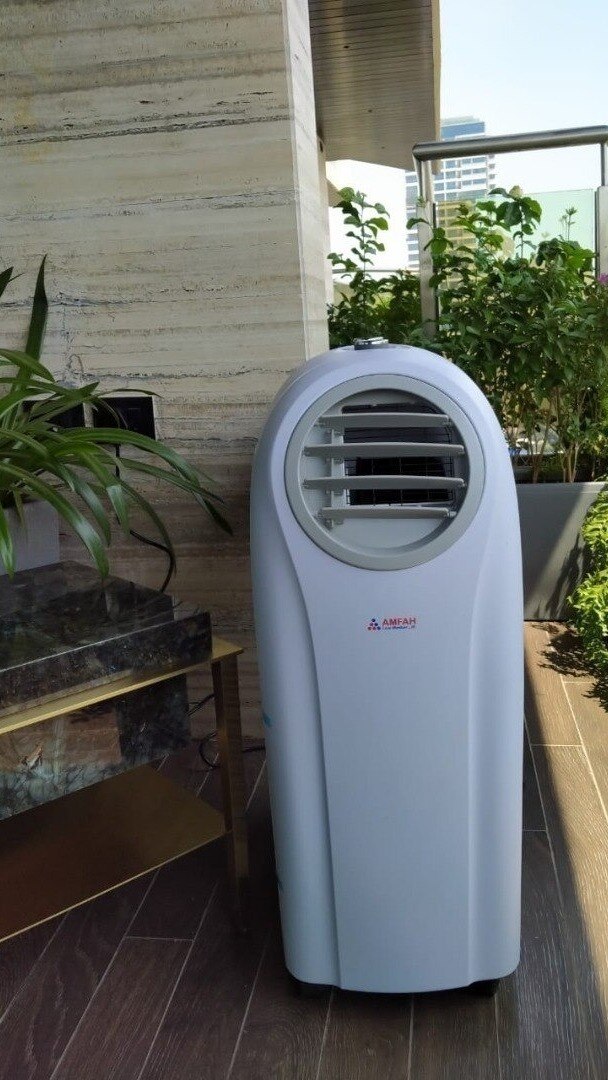
Choosing between a spot-cooling unit and a tower-style air conditioner depends on the space you need to cool, not the label on the quotation. By comparing cooling load, air distribution, humidity performance, placement, power and drainage, you can specify equipment that keeps visitors comfortable without creating hot zones, noise problems or water damage.
Key takeaways
- Choose spot-cooling units for stands and sized systems for enclosed halls.
- Count heat sources, occupancy and cooled zones before selecting unit capacity.
- Confirm electrical supply, condensate drainage, delivery routes and installation hours.
- Require capacity, accessories, setup, removal and standby terms in the quotation.
What is the difference between exhibition AC hire and tower AC rental?
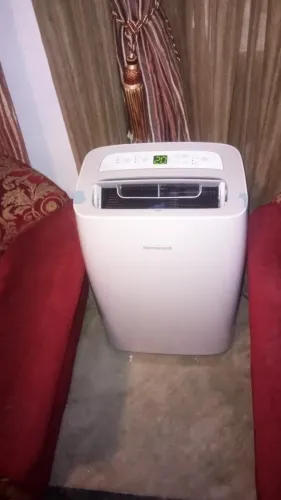
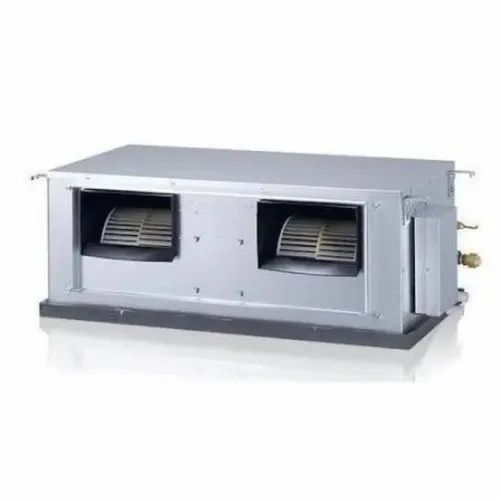
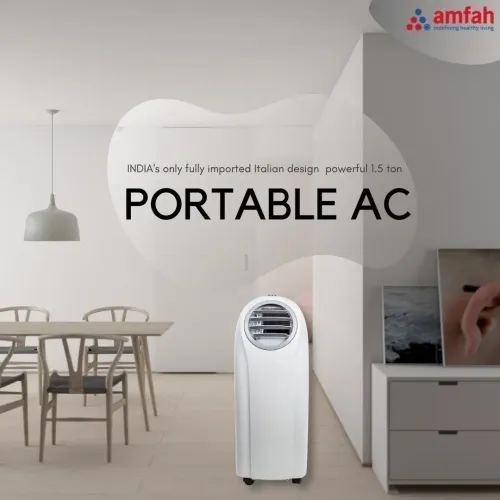
They describe rental formats, not separate cooling technologies. “AC on hire for exhibitions” can mean a portable refrigerated DX unit for spot cooling or a larger arrangement designed to treat a hall. “Tower AC rental” usually means a tall, portable DX air-conditioner.
| Comparison point | AC on hire for exhibitions | Tower AC rental for exhibitions |
|---|---|---|
| Delivered cooling | Spot cooling or coordinated hall coverage | Cooling for a defined zone |
| Airflow | Ducted or directed across a larger area | Concentrated discharge |
| Current draw | Varies by unit and arrangement | Confirm from the nameplate |
| Noise | Check near stages and seminars | Check compressor and fan sound |
| Dimensions | Include duct and service clearance | Include height, width and access route |
| Condenser-air discharge | Must leave the cooled zone | Must leave the cooled zone |
| Condensate | Tank or continuous drain | Tank or continuous drain |
Confirm that the quoted equipment has a compressor and condenser. An evaporative cooler adds moisture and loses effectiveness in Mumbai’s hot, humid conditions, so it is not a like-for-like substitute for DX cooling.
A portable DX unit must reject condenser heat outside the cooled zone through a correctly sized duct or connection. Blow that hot air into the hall and it can cancel the cooling benefit.
A tower unit suits a registration desk, VIP lounge, control room or enclosed booth, not a large hall as one-unit coverage. Rapid deployment is its advantage; uneven coverage is the trade-off, especially near seminars, stages and sound-sensitive displays.
How many units does an exhibition actually need?
Estimate demand from the heat entering and generated inside the exhibition, not from carpet area alone. A single tower unit suits one defined zone; whole-hall treatment needs distributed airflow and several discharge points, especially in Mumbai’s hot, humid weather.
- Record the floor area and ceiling height. A tall hall contains more air and needs a different airflow pattern than a low booth area.
- State expected occupancy and visitor turnover. People entering continuously add heat and repeatedly bring in hot, humid outdoor air.
- Count booth and display lighting, LED walls, computers, cooking or demonstration equipment, and the heat released by AV equipment.
- Mark solar exposure, open doors and entrances, plus the fresh-air ventilation rate. These loads can overwhelm a capacity estimate based on floor area.
- Ask for the design indoor and outdoor conditions, assumed occupancy and expected delivered cooling capacity. Do not accept only a unit count or nominal tonnage.
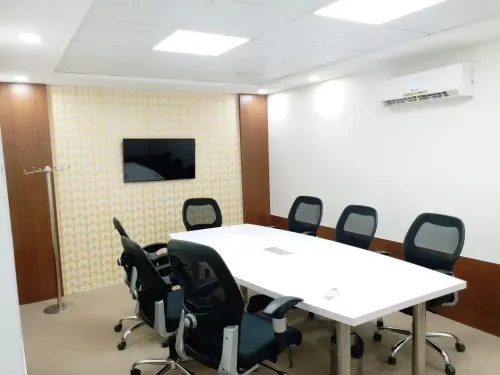
One unit can cool a registration desk, enclosed booth, stage, lounge or VIP room. A large hall needs several units serving aisles and occupied zones; a unit at the edge cannot provide uniform comfort without multiple discharge points, unobstructed return air and a suitable airflow pattern.
Pre-cool before doors open. This exposes undersized capacity, poor exhaust routing, overloaded power and drainage faults while the team can still correct them. Assess existing venue HVAC too, so rental units do not draw in their own cold discharge or fight the supply-air pattern.
These checks belong in any request for AC hire for exhibition halls or exhibition AC on hire in Andheri.
Which format works in halls, marquees and outdoor stands?
An enclosed exhibition hall suits coordinated refrigerated DX cooling; an open-sided marquee, pavilion or outdoor stand suits targeted spot cooling. In a hall, keep doors closed, discharge condenser heat outside, and coordinate with the venue’s fresh-air system. In an open structure, cooled air escapes continuously, making whole-footprint cooling wasteful.
| Format | Air behaviour | Best application |
|---|---|---|
| Enclosed hall | Retains cooled air when doors stay closed; DX equipment can treat occupied zones | Distributed hall cooling, stages, aisles and lounges |
| Open-sided marquee or pavilion | Cooling escapes through open sides and entrances | Registration, seating, hospitality counters or enclosed pods |
| Outdoor stand | Direct sun and visitor movement create rapid heat gain | A defined counter, equipment enclosure or shaded seating area |
High ceilings let cold air stratify before reaching visitors. Dense crowds, booth walls and narrow aisles obstruct circulation; a unit beside a wide entrance can lose its cooling plume outdoors. Direct sun on transparent walls or a stand can overwhelm a small unit.
Use these placement rules:
- Leave the manufacturer’s clearance around intake and exhaust grilles.
- Aim cold air into the occupied zone, not directly at artwork, electronics, food, paper or visitors.
- Keep units out of fire exits and walking routes; protect cable and duct crossings.
- Place equipment near approved power and drainage points.
Compressor and condenser-fan noise can disrupt microphones, interviews and launches. For event AC hire in Andheri, request a sound-power figure or arrange an on-site check; tower AC rental for exhibitions is unsuitable if its airflow or noise reaches a sound-sensitive area.
What power, drainage and venue access must be arranged?
Arrange a verified electrical supply, a defined condensate plan and an approved delivery route before booking. For exhibition AC on hire in Andheri, read every unit’s nameplate and record:
- Voltage, phase, running current, starting or inrush implications, socket type, connected load and required cable length.
- Temporary distribution-board capacity, circuit allocation and protection; do not plug several units into one shared supply.
- Cable routes, ramps and floor protection, with no crossing through fire exits or visitor paths.
- Venue approval for condenser ducts, wall penetrations, cable ramps, floor coverings, lift use, loading-bay access and work near fire exits.
Treat drainage as a separate decision. For collection tanks, name the person who empties each tank and set inspection times throughout a multi-day show.
For continuous drains, identify the hose termination and confirm a continuous downward slope; a kink, blockage or uphill section can stop the unit or release water beside carpet, booth flooring, electrical distribution or exhibits.
Complete an access survey before requesting event AC hire in Andheri. Measure the loading-bay and lift dimensions, confirm delivery and removal windows, and map the route from vehicle to hall, including doors, turns and floor transitions.
Ask for a site survey rather than only a daily rate; the route and venue rules determine whether the proposed equipment can arrive, operate and leave safely.
What should an exhibition AC quotation include?
A quotation for AC hire for exhibition halls is usable only when it describes delivered performance, site work and risk—not just “tower AC” or a tonnage figure.
- Number and model of every unit, plus total installed capacity or expected delivered capacity
- Design assumptions: indoor and outdoor conditions, occupancy, lighting, AV heat and open-door exposure
- Airflow direction, duct size, termination method and condenser-air discharge route
- Noise level, condensate tank or continuous-drain method, and hose lengths
- Connected electrical load, voltage, phase, running current, socket type and distribution-board requirements
- Cable lengths, circuit allocation, operator attendance and pre-cooling time
- Breakdown response time, installation and removal windows
- Floor and carpet protection, and responsibility for water leaks or exhibit damage
Use this decision rule:
| Option | Choose it when | Main limitation |
|---|---|---|
| Portable DX spot cooling | Small booth, registration point, VIP room or equipment enclosure | Cools a defined zone |
| Coordinated multi-unit arrangement | Aisles, stages, booths and other distributed hall areas need coverage | Requires airflow and power coordination |
| Targeted cooling in an open-sided area | The enclosure cannot retain cooled air | Treats comfort zones, not the whole footprint |
For event AC hire in Andheri, send a scaled floor plan showing aisles, entrances, stages, booths, power points and drains. Japs Aircon belongs in the comparison when its team confirms these specifications on site rather than quoting a tower unit by name alone.
Related products
Rental AC For Exhibition We provide Portable Air-Conditioners on rent for outdoor and indoor events like concerts, Live Shows, Exhibitions, Sports Events etc. View product → |
Tower AC on hire and rental We provide Tower AC on hire and rental basis in all over Mumbai View product → |
Frequently asked questions
What is the difference between exhibition AC hire and tower AC rental?
Exhibition AC hire describes a cooling arrangement for an event, while tower AC rental usually refers to a tall, portable DX air-conditioner. A tower unit can serve one stand or zone; multiple units and distribution planning may be needed for a hall.
How many AC units does an exhibition actually need?
Estimate units from the area being cooled, visitor occupancy, lighting, equipment, outdoor heat entering through doors and the required temperature. Count separately cooled stands or rooms, then have the supplier confirm capacity and airflow.
Which AC format works in halls, marquees and outdoor stands?
Portable refrigerated DX units suit enclosed stands and halls when the hot-air exhaust and condensate route are planned. Marquees need careful air distribution and protected equipment. Open outdoor stands cannot be cooled like sealed rooms, so spot cooling is more practical than trying to condition the entire area.
What should an exhibition AC quotation include?
Ask for unit type, cooling capacity, quantity, electrical load, exhaust and drainage equipment, delivery and installation times, removal, operator support, damage terms and the price of any standby unit.