Industrial cooling fails when the unit is chosen from floor area alone: machinery, open shutters, humidity, electrical supply and delivery access all change the requirement. You will be able to define the cooling job, estimate capacity, compare equipment types, prepare the site and request a firm delivery and commissioning time.
Key takeaways
- Define whether cooling protects workers, equipment or production quality.
- Include machinery heat, humidity and fresh-air loads in capacity calculations.
- Check electrical supply, access routes, drainage and placement before dispatch.
- Confirm delivery time, installation crew, testing and handover responsibilities in writing.
Define the cooling job before choosing the AC
Temporary cooling fits production floors, warehouses, workshops, server rooms, control rooms, temporary enclosures and worker areas, but each space may need a different job. Before requesting ac on rent for industrial units in andheri, decide whether you are protecting people, equipment or a manufacturing result.
| Cooling job | Typical spaces | Define the requirement by |
|---|---|---|
| Comfort cooling | Factory offices, worker areas, workshops and occupied warehouses | Indoor dry-bulb temperature, occupancy and acceptable humidity |
| Spot cooling | A workstation, inspection bench, panel, operator cabin or repair area | The people or equipment needing relief, plus the hot-air exhaust route |
| Process cooling | Production lines, electrical rooms, server rooms, test enclosures and temperature-sensitive storage | Temperature range, relative humidity limit, filtration, operating hours and allowable fluctuation |
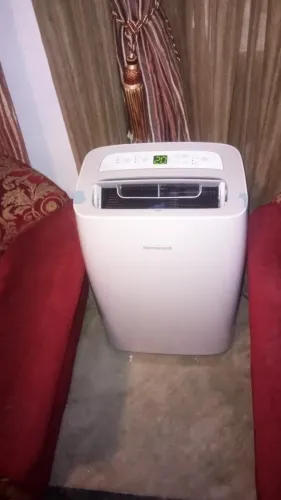
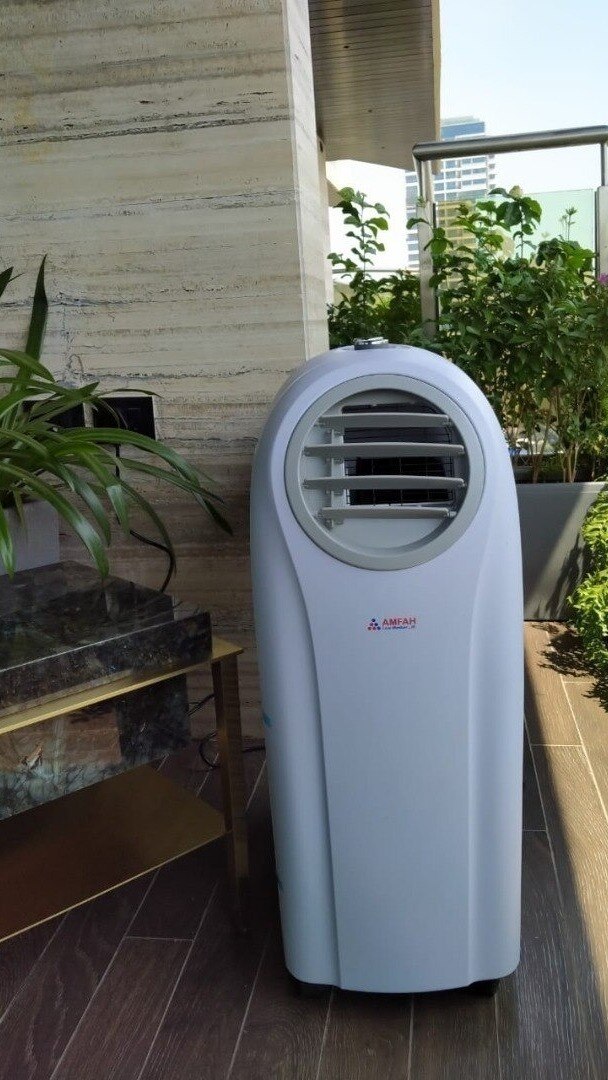
A portable spot cooler does not simply work anywhere: an air-cooled unit needs condenser air exhausted outside, and condensate needs a tank or drain. Return hot air to the same room and the apparent cooling gain can disappear.
Choose process cooling when heat, humidity or dust can damage output, electronics or stored material. Record oil mist, fibres and fine dust as part of the job; filters that are too restrictive for the fan can reduce airflow, freeze the coil and cut capacity.
A water-cooled temporary system adds condenser-water supply and return, pump capacity, hose routing, leak protection and drainage to the definition.
Calculate capacity from heat, humidity and operating conditions
Start with the peak condition, not the average shift. For a production floor, warehouse, workshop or enclosed technical room, record:
- Floor area and clear ceiling height
- Target dry-bulb temperature and relative humidity
- Outdoor design temperature, roof exposure and sun-facing walls
- Number of workers and operating hours
- Lighting load, motors, compressors, furnaces and other machinery
- Fresh-air requirements and the frequency that doors remain open
- Heat released by the process, including hot products and steam
Add these loads as sensible heat and latent heat. Sensible heat raises air temperature; latent heat comes from moisture entering through ventilation, open doors, wet processes and people. A room that must stay at 24°C and 50% relative humidity needs dehumidification capacity as well as temperature reduction.
Size against the worst operating combination: the hottest shift, full machinery load, maximum occupancy and highest outside-air intake. Floor-area rules alone fail when a server room has concentrated equipment heat or a warehouse has large door openings.
Convert the result using 1 refrigeration ton (TR) = 3.517 kW of heat removal. That is cooling output, not electrical consumption, so ask for both figures at a stated outdoor condition.
For an air conditioner on rent for industrial plant use, add a documented design margin and consider N+1 capacity. N+1 keeps the required load covered after the largest rented unit fails, but increases power, floor space and delivery requirements.
Match the equipment to the space and factory constraints
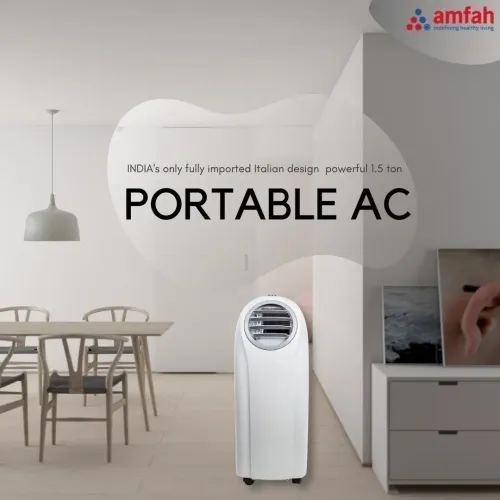
A portable unit suits one workstation, guarded enclosure or short-term spot-cooling need, provided its hot-air duct reaches outdoors and its condensate tank or drain is manageable. It is a poor choice for a dusty production floor where hoses, cables and frequent emptying create trip and maintenance hazards.
| Option | Choose it when | Check before dispatch |
|---|---|---|
| Portable | One machine, panel or temporary enclosure needs local cooling | Exhaust route, drain point, floor clearance and electrical circuit |
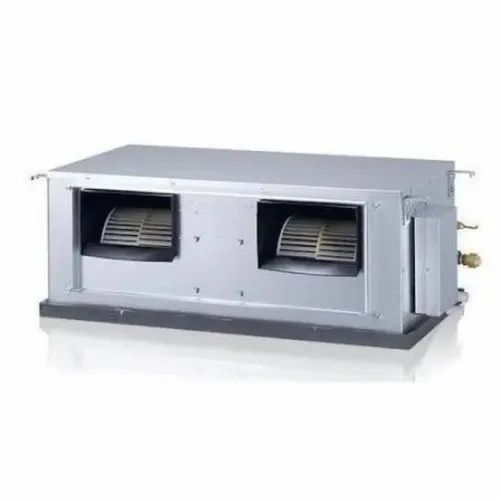
| Ductable or packaged | Several workstations or a production bay need distributed cooling | Duct length, static pressure, airflow, ceiling or floor space, filters and outdoor-air needs |
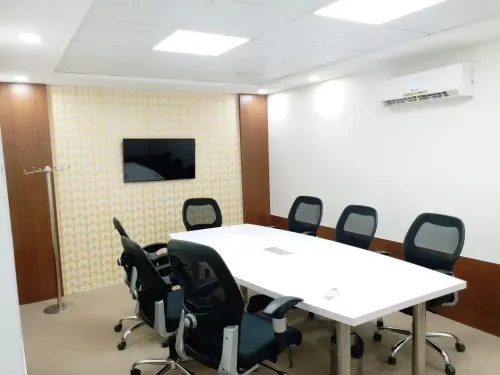
| Split | A room needs quieter, longer-duration cooling and has a suitable outdoor location | Indoor-outdoor pipe length, mounting, condensate drain and weather protection |
| Tower | You need movable comfort cooling in an occupied, moderately enclosed area | Stable floor, clear intake and discharge, noise and power supply |
| Window | A small enclosed room has a sound external opening | Chassis support, sealed opening, outdoor airflow, drain path and circuit capacity |
| Evaporative | The area is open or well ventilated and Mumbai’s humid air will not damage the process | Water supply, drainage, filtration and humidity limits |
A window AC hire for factory use fails in large, dusty spaces when one opening cannot distribute air. Choose ductable equipment for multiple stations, and specify filtration when dust threatens controls or products.
Before confirming industrial AC rental in Andheri, verify door and stair widths, vehicle access, lifting, floor loading, cable and hose lengths, drainage, and permission for rooftop or roadside placement.
Complete the electrical and site survey before dispatch
Before dispatch, confirm the plant’s physical access, electrical supply and condensate route. For an air conditioner on rent for industrial plant use, counting units is not enough: a three-phase packaged unit cannot run safely from an unsuitable single-phase distribution board.
1. Record the room length, width, ceiling height, machinery layout, door and stair dimensions, floor loading, placement clearances and filter-access space. Confirm vehicle access in Andheri, unloading equipment, lifting points and permission for rooftop or roadside placement.
2. Mark the hot-air exhaust route for every air-cooled portable unit. Exhausting condenser air into the same room will return heat and cancel much of the cooling. For ducted equipment, confirm duct length, outlet positions, available ceiling or floor space, static-pressure limits and outdoor-air requirements.
3. Photograph the electrical panel and record supply voltage, phase arrangement, breaker rating, cable route and cable length. Check earthing, socket or isolator location, generator capacity and generator restrictions before reserving equipment; large packaged units and chillers commonly need three-phase power.
4. Identify the condensate drain point, pipe route, fall and discharge location. Confirm whether a drain pump, collection tank or continuous hose is needed, and keep water away from panels, walkways and production areas.
5. If using a water-cooled chiller or air handler, verify condenser-water supply and return, pump capacity, filtration or water treatment, hose lengths and leak protection. Do not promise fast delivery until these connections and site permissions are confirmed.
Turn fast delivery into a firm installation schedule
Give the rental provider a dispatch brief, not just the cooling capacity. For AC on rent for industrial units in Andheri, state the site address, required operating date and shift, cooling start time, equipment type, rated kW or TR condition, airflow, electrical input and expected operating hours.
This lets the provider check actual stock rather than promise an unsuitable unit.
- Confirm the delivery vehicle’s route, gate width, height restriction, unloading bay, building access, door and stair dimensions, lift capacity, floor loading and lifting equipment. State whether roadside parking, rooftop placement or factory access permission is required.
- Provide cable, hose and duct distances; drainage points; placement clearances; outdoor-air needs; and filter-access space. For water-cooled equipment, add condenser-water supply and return, pump capacity, filtration, hose routing and leak protection.
- Record supply voltage, phase, breaker capacity, earthing, generator restrictions and the time available for installation. Ask for the installation lead time, commissioning test, setpoint check, handover readings and breakdown contact.
An industrial AC rental in Andheri is not ready when the truck arrives; it is ready after airflow, temperature, condensate drainage and electrical operation are tested under load. A provider such as Japs Aircon should confirm the model, accessories, delivery window, installation completion time, commissioning scope, removal date and every included charge in writing.
Related products
If you need a quick and efficient air conditioning hire solution, “Japs Aircon” Rental Systems offers a professional and cost-effective service... View product → |
Portable Air Conditioners For Hire & Rental Portable Air Conditioners For Hire & Rental Portable Air Conditioners for hire from Climate Rental Solutions are suitable for many commercial and industrial cooling applications. View product → |
Frequently asked questions
What should you define before choosing a temporary industrial AC?
Decide whether the cooling protects workers, equipment, a server or control room, a production result, or a temporary enclosure. Identify the area, operating hours, temperature target and humidity concern.
How do you calculate AC capacity for an industrial unit?
Count room volume, people, lighting, machinery, process heat, solar gain, fresh-air requirements and moisture sources. Include the target temperature, operating schedule and humidity load rather than sizing from floor area alone.
What equipment details matter inside a factory?
Compare cooling capacity, airflow, ducting options, noise, footprint, condensate drainage, outdoor-unit placement, clearance, door access and compatibility with dust, heat and production constraints.
What must a site survey confirm before dispatch?
Verify electrical voltage, phase, breaker capacity, cable routes, earthing, lifting and access paths, drainage, installation points, ventilation and safe separation from machinery.
How can you make fast delivery meet the required installation date?
Send the site address, cooling brief, power details, access restrictions and contact person early. Put delivery time, equipment list, installation duration, testing and handover responsibilities into the schedule.
Related products
Tower AC on hire and rental We provide Tower AC on hire and rental basis in all over Mumbai View product → |
Ductable Air Conditioners For Hire & Rental Ductable Air Conditioners For Hire & Rental Carrier Rental Systems have a range of ducted air conditioners available to suit all applications. View product → |
Rental AC For Commercial Commercial AC Rental Services. In addition to being amongst the leading central air conditioning dealers in the West region for Blue Star, we serve... View product → |
Split Air Conditioners For Hire & Rental Split Air Conditioners For Hire & Rental “Japs Aircon” Rental Systems have a range of split air conditioners to suit all of your cooling needs. Whether you are looking to ventilate your. View product → |