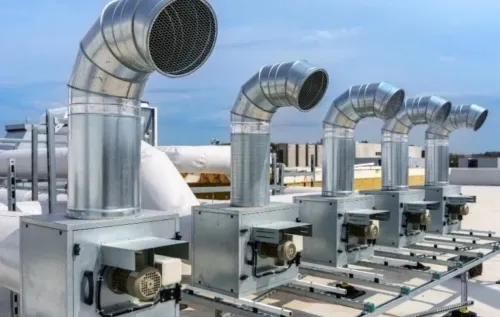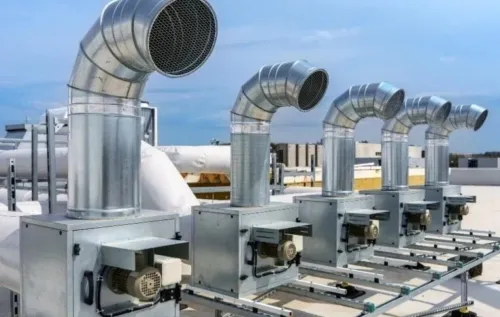
A failed chiller can interrupt production, damage temperature-sensitive equipment and make occupied spaces unsafe before a permanent repair is complete. You will learn how to identify the actual fault, size a temporary replacement, verify the chilled-water and electrical connections, and define a rental scope that can be commissioned safely.
Key takeaways
- Protect people and critical loads before diagnosing the failed chiller.
- Match replacement capacity to actual load, flow, temperature and redundancy needs.
- Confirm power, access, lifting, pipe connections and safety controls before delivery.
- Require itemised rental terms, test results and commissioning readings in writing.
What should you do before ordering a temporary chiller?
Protect people and critical loads before diagnosing the machine. For chiller AC on hire when equipment stops working, use this sequence:
1. Keep occupants clear of hot equipment, water leaks, exposed conductors and rotating pumps. Shift data rooms, process loads or production to standby cooling if available, and record the alarm history, leaving-water temperature, entering-water temperature, condenser-water temperature, flow and operating pressures.
2. Check incoming supply voltage, phase balance, breaker status and the control panel. No voltage indicates a power or distribution fault; correct voltage with a phase-loss alarm points to controls or the chiller circuit. A compressor trip, abnormal suction or discharge pressure, or refrigerant alarm points to the compressor circuit or refrigerant system.
3. Confirm condenser-water pump operation, cooling-tower fans, condenser-water flow and temperature. High condenser-water temperature with poor tower airflow indicates a tower fault; no flow indicates the pump, valve or strainer.
4. Confirm chilled-water pump operation, differential pressure and flow. Low flow with normal pumps suggests a closed valve, blocked strainer or air lock; normal flow with a large entering-to-leaving temperature difference suggests a cooling-load or chiller-capacity problem.
5. Open the failed chiller’s electrical disconnect and water isolation valves only under an authorised procedure. Prevent back-feeding by locking out the unit and verify check valves, controls and interlocks so it cannot fight surviving chillers.
Repair the fault quickly when a pump, valve, control, power or tower issue has a confirmed short repair window. Order an emergency chiller rental when cooling cannot be restored before process loads, data rooms, occupants or production face unacceptable risk.
How do you size the replacement and choose the right type of cooling equipment?
Choose a temporary chiller when the site already has a chilled-water circuit, the load is substantial, cooling must run continuously, or distributing several air-conditioning units would be impractical. That is the usual decision rule for emergency chiller rental and a temporary chiller replacement.
| Option | Best fit | Main limitation |
|---|---|---|
| Temporary chiller | Central building or process loop | Needs flow, connections and electrical capacity |
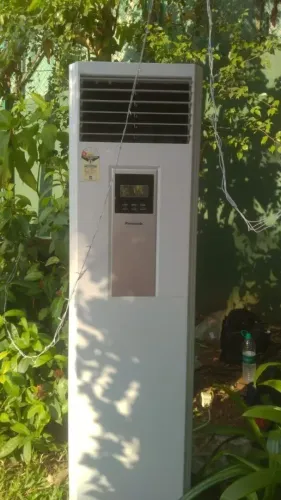
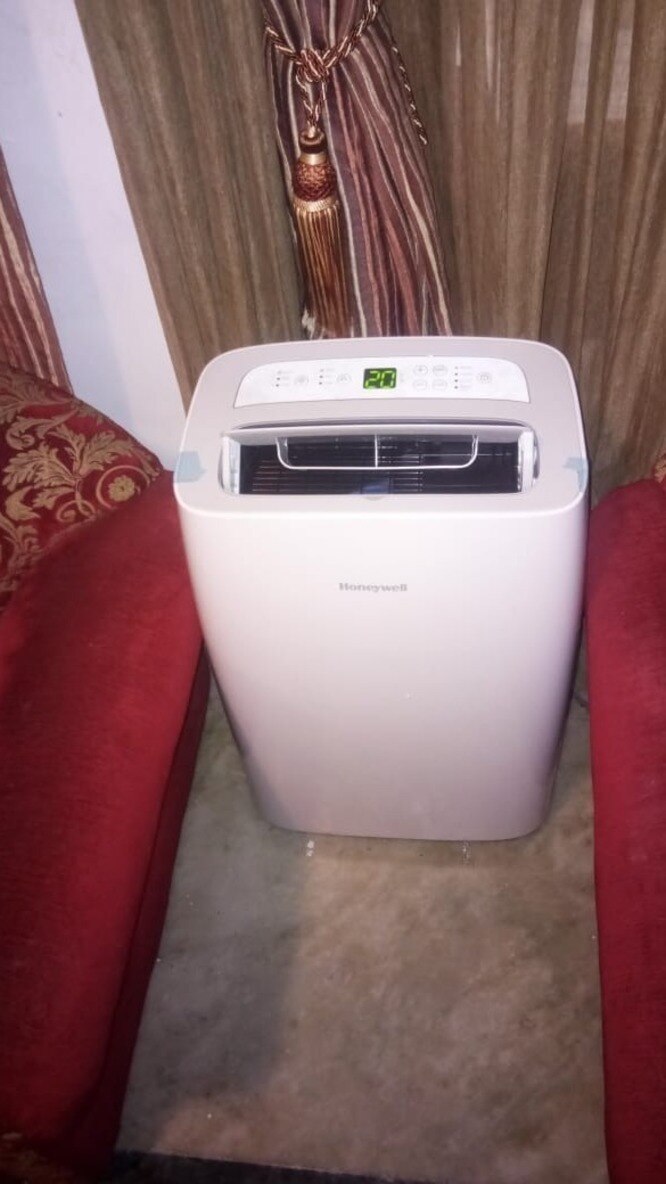
| Portable unit | One room or small zone | Does not protect a chilled-water process loop |
| Split unit | Isolated occupied space | Requires indoor and outdoor unit locations |
| Ductable unit | Temporary event or open area | Needs duct routes and air distribution |
| Packaged unit | Self-contained zone cooling | Poor substitute for central water circulation |
Calculate cooling demand as Q = mass flow × specific heat × temperature difference. For water, 1 refrigeration ton equals about 3.517 kW of cooling; 100 tons therefore means about 351.7 kW of refrigeration, not 100 kW of electrical input.
Before selecting capacity, verify:
- Failed-machine tonnage, actual flow, entering and leaving water temperatures, operating hours and ambient conditions
- Glycol type and tested concentration, because glycol reduces specific heat and increases pressure drop
- Event heat from fresh air, lighting and occupants
- N+1 or modular capacity when losing one rental unit would threaten production, occupants or critical equipment
Match the replacement to measured conditions, not the nameplate alone. A 500-ton machine can deliver less at high ambient temperature or restricted flow.
Can a hired chiller connect to the existing chilled-water system?
Yes. A hired chiller can serve the existing chilled-water system when the hydraulic and control interface is verified before mobilisation. Treat this as a temporary chiller replacement, not a plug-and-play swap.
1. Collect the connection data: pipe diameter, supply and return arrangement, flange or grooved coupling, isolation valves, check valves, strainers, flexible connectors, air vents, pressure gauges, drain points, pump curve, minimum flow, differential-pressure limits and chilled-water setpoint. Confirm control interlocks so the rental unit cannot back-feed or fight surviving chillers.
2. Check water quality before choosing the tie-in. Insufficient flow, a dirty loop or incompatible treatment can make a correctly sized chiller underperform. A plate-and-frame heat exchanger separates circuits, but adds approach-temperature loss and pump head.
3. Record commissioning readings: actual chilled-water flow, entering and leaving temperatures, supply voltage and current, operating pressures, ambient temperature, alarm status and the time the load was accepted. These readings expose a blocked strainer, closed valve, air lock or inadequate pump.
| Option | System requirement | Main consequence |
|---|---|---|
| Air-cooled | No cooling tower or condenser-water circuit | Avoids condenser-water pumps, make-up water, blowdown and condenser-water treatment |
| Water-cooled | Functioning tower, verified condenser-water flow and temperature, adequate tower capacity and water treatment | More site dependencies during backup cooling equipment hire |
Confirm these interfaces before ordering, or the advertised capacity will not protect the load.
What electrical, site and safety checks must be completed before delivery?
Do not dispatch backup cooling equipment hire until the replacement site passes an electrical, access and safety review. Record the selected chiller’s requirements and verify them against site conditions.
1. Confirm voltage, phase, frequency, full-load current, compressor starting current, cable length, temporary distribution-board rating and earthing arrangement. Check generator capacity for compressor starting or transient demand as well as condenser fans, pumps and controls; running kVA alone is not enough.
2. Verify unloading access, turning space, crane or forklift requirements, floor loading and a level placement area. Keep the manufacturer’s service clearances and condenser-air clearance, and prevent hot-air recirculation. Do not place air-cooled equipment beside a wall or in a poorly ventilated basement; high head pressure can trip the chiller.
3. Provide drainage for condensate, flushing and spill control. Protect the unit from rain where the manufacturer requires it, shield it from vehicle impact, control noise near occupied areas, and route hoses and cables away from traffic, sharp edges, heat and trip hazards.
4. Identify the refrigerant classification and confirm pressure-relief discharge routing, service access, leak detection and mechanical ventilation where applicable. Check the installation against ASHRAE Standards 15 and 34 or applicable Indian safety rules.
For chiller AC hire in Mumbai, complete this checklist during the site survey, not at delivery. A missing power, access or ventilation detail can turn an emergency replacement into an idle machine.
What should the rental quotation and commissioning record include?
A complete quotation prices a working temporary cooling system, not a chiller sitting beside the site. State capacity at named entering and leaving chilled-water temperatures and ambient conditions, then identify whether the machine is air-cooled or water-cooled.
| Item | Complete package scope | Chiller-only risk |
|---|---|---|
| Chilled-water circuit | Pumps, hoses or temporary pipework, valves, strainers and flexible connectors | You arrange flow and safe tie-in |
| Power and controls | Electrical cabling, distribution panels and control wiring | The unit may arrive without a usable supply or interlock |
| Site execution | Generator or fuel, rigging, commissioning and operators | Connection, lifting and startup remain your responsibility |
| Service period | Monitoring, maintenance and removal | Downtime continues after delivery |
Require a handover record completed under load, not a delivery note. Record:
- Chilled-water flow, entering and leaving water temperatures, supply voltage and current
- Ambient temperature and operating pressures where appropriate
- Alarm status, control settings and the exact time the load was accepted
These readings expose an undersized machine, restricted flow, a blocked strainer or an electrical limitation before responsibility becomes disputed. They also show whether the rental met the stated duty.
Japs Aircon can be considered when comparing chiller ac hire in mumbai, provided you confirm the technical inclusions, site-survey requirements and response arrangements in writing. That discipline keeps backup cooling equipment hire focused on measurable cooling continuity rather than equipment delivery alone.
Related products
Chiller Ac On Rent We give all types of Airconditioners on Rent ( windows, Splits, Portable,ductable Tower,& Chillers ) View product → |
Rental Cooling Towers “Japs Aircon” can offer the cooling towers on Hire in Mumbai. View product → |
Frequently asked questions
What should you do before ordering a temporary chiller?
Protect people and critical loads first, then record the failed unit’s alarm, leaving-water temperature, flow, connected load and operating conditions. Identify which areas must remain cooled and how long the outage may last.
How do you size the replacement and choose the right type of cooling equipment?
Use the required cooling load, chilled-water supply and return temperatures, design flow, electrical capacity and available space. Choose a temporary chiller when the existing water circuit is usable; use packaged or air-cooled equipment when the connection arrangement demands it.
Can a hired chiller connect to the existing chilled-water system?
Yes, when the temporary unit matches the system’s water temperatures, flow, pressure, pipe size and connection points. Confirm isolation valves, strainers, flexible hoses, air removal, drainage and water-treatment requirements before mobilisation.
What electrical, site and safety checks must be completed before delivery?
Verify voltage, phase, breaker capacity, cable routes, earthing, access width, floor loading, ventilation, lifting points, drainage and emergency isolation. Complete a method statement, risk assessment and lifting plan where the site requires them.
What should the rental quotation and commissioning record include?
Request the chiller capacity and operating limits, rental period, delivery and installation scope, transport, power and hose responsibilities, standby support, damage terms and costs. Record supply and return temperatures, flow, pressure, voltage, current, alarms and acceptance signatures at commissioning.