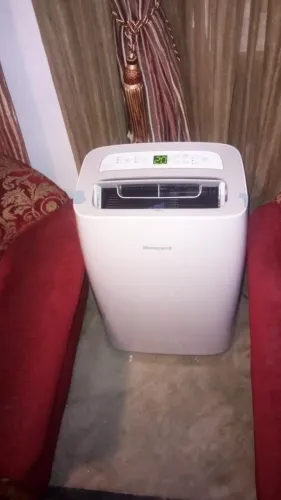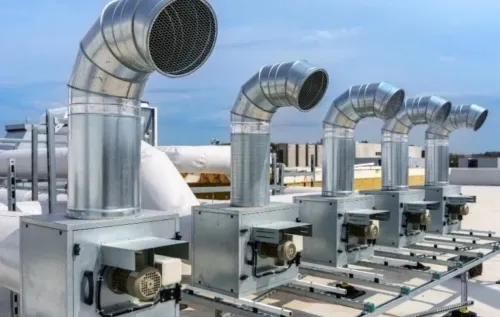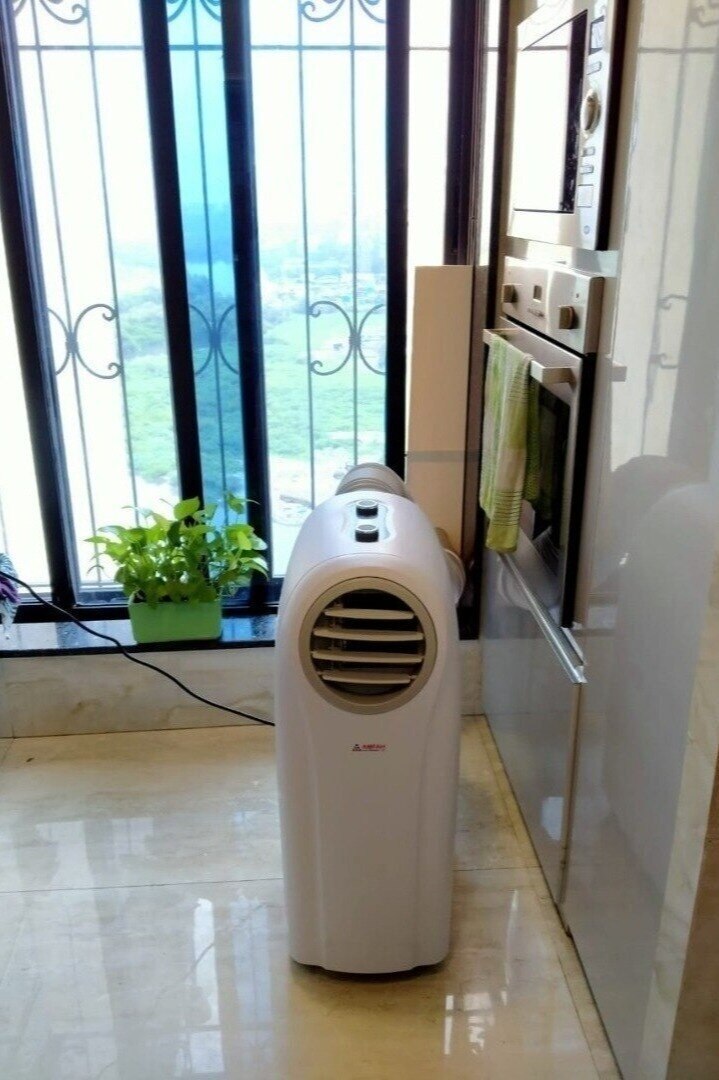
A window AC is quick to deploy only when the venue provides a suitable external opening, while a split AC needs condenser space, refrigerant piping, drainage and installation approval. Choose between them by checking the exhibition layout, heat load, humidity, electrical supply, access route and venue rules before equipment arrives.
Key takeaways
- Choose window AC only with an approved wall opening and secure external support.
- Use split AC when the venue permits outdoor condenser placement and refrigerant-line routing.
- Check electrical load, drainage, rain protection and generator compatibility before delivery.
- Run the system under load before visitors arrive and measure booth temperature.
Which AC type fits your exhibition space and venue permissions?
A window AC suits a sealed booth, meeting room or temporary room only when an approved wall opening, sturdy mounting support and an outside-facing condenser side already exist. Its evaporator and condenser share one chassis, so it rejects heat through that opening.
| Option | Best fit | Non-negotiable requirements |
|---|---|---|
| Window AC | Sealed booth, meeting room or temporary room | Approved opening or temporary frame, firm support, rain sealing and outside-facing condenser exposure |
| Split AC | More permanent-looking installation or quieter indoor operation | Ventilated outdoor condenser location, insulated copper piping, condensate drainage and written venue approval |
A window unit cannot cool a sealed hall, glass façade or partition without a compliant opening. Do not place its hot-air side inside the exhibition space, service room or enclosed cabinet; the room will heat up even while the unit runs.
A split AC gives you flexible indoor placement and keeps compressor noise outdoors, but it needs field-installed refrigerant joints, a safe condenser position and a drainage route. Poor pipework or blocked drainage can cause weak cooling or water on the stand.
For the search question ac on rent window or split for exhibitions in mumbai, check the venue before comparing cooling capacity or rental rates:
- Are façade penetrations, temporary frames and outdoor equipment permitted?
- Is compressor noise acceptable near visitors, neighbouring stands or meeting rooms?
- Can condensate drain to an approved point without crossing an aisle?
- Are electrical connections and overnight operation authorised?
If the answer is no, eliminate that unit type before requesting quotations.
How much cooling does a booth or exhibition room actually need?
Floor area is only the starting point: cooling demand also depends on heat entering the space and heat produced inside it. A crowded, brightly lit stand can need far more capacity than a lightly occupied room of the same size.
Record these inputs before choosing a window AC or split AC:
- Booth or room area and ceiling height
- Sunlight through glass walls, windows or skylights
- Expected visitor count and open-door traffic
- Display lighting, LED walls, computers and screens
- Refrigerators, coffee machines, ovens, induction plates and other catering equipment
- Any printer, server, motor, charger or heat-producing device
A sealed meeting room with one door has a different load from a stall with three open sides. In the open stall, conditioned air escapes continuously, so neither a window AC nor a split AC will cool the entire footprint efficiently.
- Use an air curtain where permitted to reduce hot-air entry at the entrance.
- Aim spot cooling at visitors rather than trying to cool every open aisle.
- Create a partially enclosed meeting or product zone with the stand layout.
- Ask for a larger engineered system when occupancy, sunlight and equipment heat remain high.
Keep the indoor return-air inlet and discharge path clear of fabric, graphics and cartons. Blocked airflow reduces performance and can cause icing or overheating.
Ask the installer to state the proposed cooling capacity, visitor and equipment assumptions, outdoor conditions and expected indoor temperature. Reject a fixed tons-per-square-metre shortcut if it ignores crowding, lighting or solar gain.
What installation, weather and electrical checks are required in Mumbai?
Measure the opening before booking window air conditioner rental in Mumbai. Check its width, height, depth, load-bearing support, rain sealing and air leakage control, then confirm a safe route for hot condenser air to escape.
| Option | Installation and weather checks | Failure if missed |
|---|---|---|
| Window AC | Approved opening or mounting frame; sturdy support; sealed edges; outside-facing hot-air discharge | The unit can move, leak rain, admit hot air or recirculate heat |
| Split AC | Ventilated condenser position; protection from standing water and heavy rain; stated pipe length, bends and height difference; insulated copper lines; condensate route | Capacity falls, high-pressure trips occur, or water reaches the stand |
Never place a split condenser inside a booth, cabinet or poorly ventilated service room. Mumbai’s humidity produces substantial condensate, so route it to an approved drain or secured container—not an aisle, neighbouring stand, cable or finished floor.
Before energising either unit, compare the nameplate input power, rated current, voltage, phase and starting current with the venue circuit capacity. A 16 A socket proves nothing by itself.
- Check cable size, earthing, protective device, connector condition and permitted load at the distribution board.
- Have a competent electrical contractor inspect and test temporary wiring.
- Do not use domestic multi-plugs or overloaded extension boards.
- Confirm the indoor unit’s condensate hose slopes continuously and the container cannot overflow.
How should you plan delivery and installation at an exhibition venue?
Start venue coordination before booking split ac hire exhibition in Mumbai: the organiser and facility or engineering team must approve how equipment enters, where it sits and when installation happens. Do not assume a previous event used the same route or permissions.
1. Request the move-in schedule, loading-bay procedure, vehicle restrictions, lift dimensions, loading-window times, floor-protection rules and approved condenser locations. BKC, Goregaon, Lower Parel and hotel exhibition halls can impose different access controls.
2. Apply the same checks to a window unit, then confirm the route for its mounting frame, the wall or partition’s strength and the approved method for sealing the opening against rain and air leakage.
3. Require a quotation that states cooling capacity, included pipe length, additional-pipe charges, installation and removal times, drainage responsibility, electrical responsibility and response times for leaks, trips, abnormal noise or loss of cooling. Long pipe runs, excessive bends and poor drainage can reduce performance.
4. Ask who will protect the finished floor, route condensate to an approved drain or container, provide power and remain available during the show. Never accept water discharging onto an aisle, neighbouring stand, cable or finished floor.
Japs Aircon can add practical value when it surveys the stand, coordinates these restrictions and supplies equipment that fits the organiser’s installation window. Obtain venue approval in writing before mobilisation, including permission for the condenser, frame, piping, drainage and overnight operation.
Related products
Rental AC For Exhibition We provide Portable Air-Conditioners on rent for outdoor and indoor events like concerts, Live Shows, Exhibitions, Sports Events etc. View product → |
Portable Air Conditioners For Hire & Rental Portable Air Conditioners For Hire & Rental Portable Air Conditioners for hire from Climate Rental Solutions are suitable for many commercial and industrial cooling applications. View product → |
What should you test before visitors enter the exhibition?
Commissioning is part of temporary exhibition cooling in Mumbai, not a quick power-on exercise. Run every unit under load before handover, and arrange a response contact for water leakage, circuit trips, abnormal noise or loss of cooling during the event.
Record these checks for each unit:
- Room or stand temperature
- Electrical current
- Remote-control operation
- Airflow direction
- Condensate flow
- Equipment condition
For a split AC, obtain evidence that every field joint was correctly flared, the circuit was evacuated and the connections were leak-tested. Weak cooling after installation often begins at those joints.
Check that a window AC is firmly supported, rejects hot air outside and has weather sealing that prevents rain entering around the opening. Measure indoor noise for either system, then redirect the air throw if it hits visitors, merchandise, graphics or sensitive electronics.
Keep filters, indoor coils, condenser coils, return-air inlets and discharge paths clear of dust, fabric, partitions and stored material throughout the event. Blocked airflow reduces cooling and can overheat equipment.
| Option | Choose it when | Confirm before opening |
|---|---|---|
| Window AC | An approved opening and external condenser exposure already exist | Support, rain sealing and hot-air discharge |
| Split AC | The venue accepts an outdoor unit, piping, drainage and electrical work | Flared joints, evacuation, leak test and condensate flow |
If neither condition exists, redesign the stall or use venue-approved cooling.
Frequently asked questions
Is a window AC or split AC better for an exhibition in Mumbai?
A window AC suits a sealed booth or temporary room with an approved wall opening, strong mounting support and an outside-facing condenser side. Choose a split AC when the venue allows a separate outdoor condenser and refrigerant-line route.
How do you calculate the AC capacity needed for an exhibition booth?
Estimate the booth area, ceiling height, visitor load, lighting, equipment heat and sun exposure. A crowded booth with display screens and direct afternoon sun needs more capacity than an enclosed, lightly occupied room of the same floor area.
What checks are required before installing temporary AC at a Mumbai exhibition venue?
Confirm venue permission for wall openings, condenser placement, drainage, refrigerant piping and electrical connection. Check the supply voltage, available amperage, earthing, cable route, rain exposure and generator compatibility.
What should you test before an exhibition opens?
Run the AC with lighting, screens and expected visitor load switched on. Check room temperature, airflow, condensate drainage, unusual vibration, water leaks, circuit trips and safe access around the equipment.
Related products
Tower AC on hire and rental We provide Tower AC on hire and rental basis in all over Mumbai View product → |
Rental AC For Commercial Commercial AC Rental Services. In addition to being amongst the leading central air conditioning dealers in the West region for Blue Star, we serve... View product → |
Split Air Conditioners For Hire & Rental Split Air Conditioners For Hire & Rental “Japs Aircon” Rental Systems have a range of split air conditioners to suit all of your cooling needs. Whether you are looking to ventilate your. View product → |
If you need a quick and efficient air conditioning hire solution, “Japs Aircon” Rental Systems offers a professional and cost-effective service... View product → |